
Korvia filter · Ultrafiltration
UF Filter
A UF (ultrafiltration) filter forces water through a semi-permeable membrane with microscopic pores. It removes suspended solids, bacteria, viruses and other microorganisms, and keeps the minerals.
- 0.01–0.1 micron
- No electricity needed
- Keeps minerals
₹550 MRP · best price on call
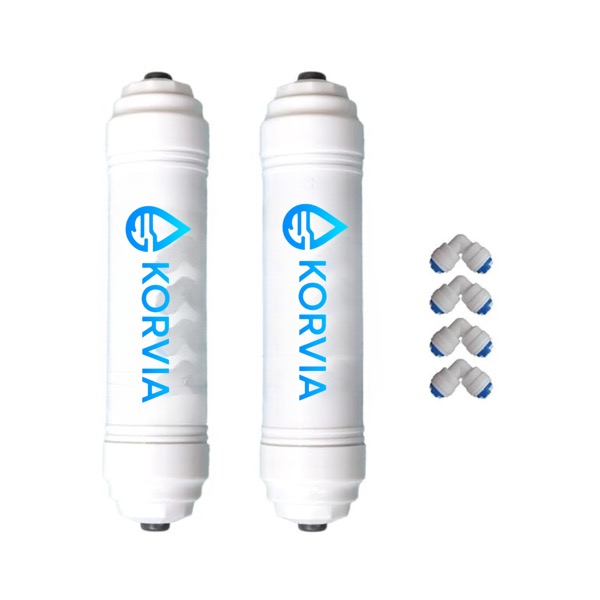
How UF works
Key characteristics
Pore size
0.01 to 0.1 microns: fine enough to block most harmful microorganisms while water and dissolved minerals pass through.
Mechanism
Works on ordinary home water pressure to push water across the membrane.
Function
A physical barrier that reduces turbidity (cloudiness). It does not remove dissolved salts (TDS).
No electricity
Unlike RO, a UF filter needs no power, so it’s cost-effective and energy-efficient.
Keeps minerals
Unlike RO, UF retains the essential minerals that are good for health.
What a UF filter removes
- Microorganisms: bacteria, cysts and most viruses
- Particulate matter: suspended solids, colloids, silt and other large particles
- Other contaminants: algae, protozoa and some organic molecules
Where it’s used
- Before RO: protects the delicate RO membrane from fouling and extends its life
- Drinking water: standalone purifiers for low-TDS municipal water where germs are the main concern
- Wastewater and industry: municipal treatment, juice clarification and pharmaceuticals
UF compared with other methods
| UF vs microfiltration (MF) | UF has smaller pores and removes more contaminants, including viruses that MF would miss. |
| UF vs reverse osmosis (RO) | RO’s much smaller pores (0.0001 micron) remove dissolved salts, but also strip minerals and use more energy. UF suits low-TDS water where you want to keep minerals. |
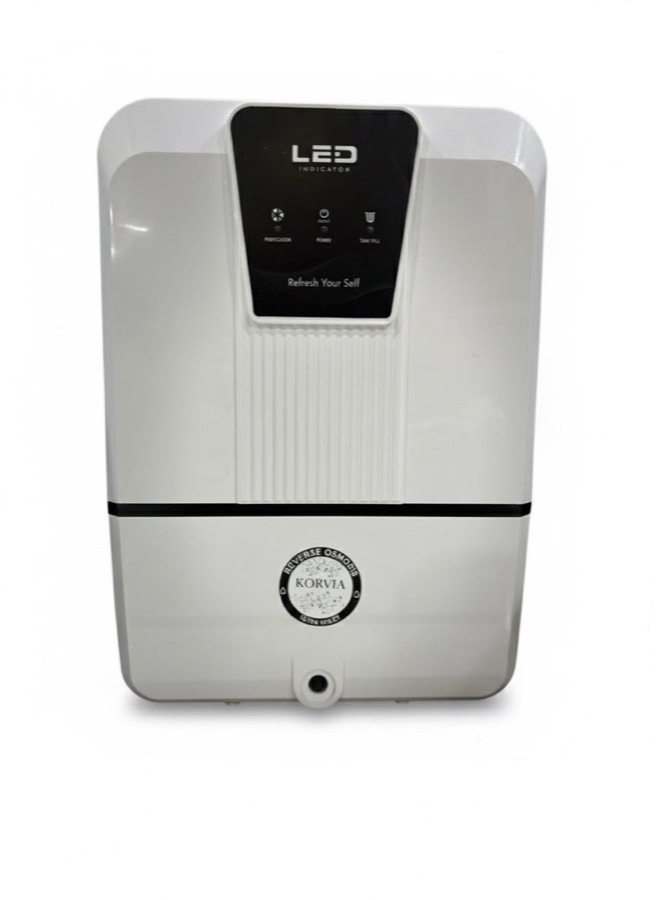 Korvia Premium
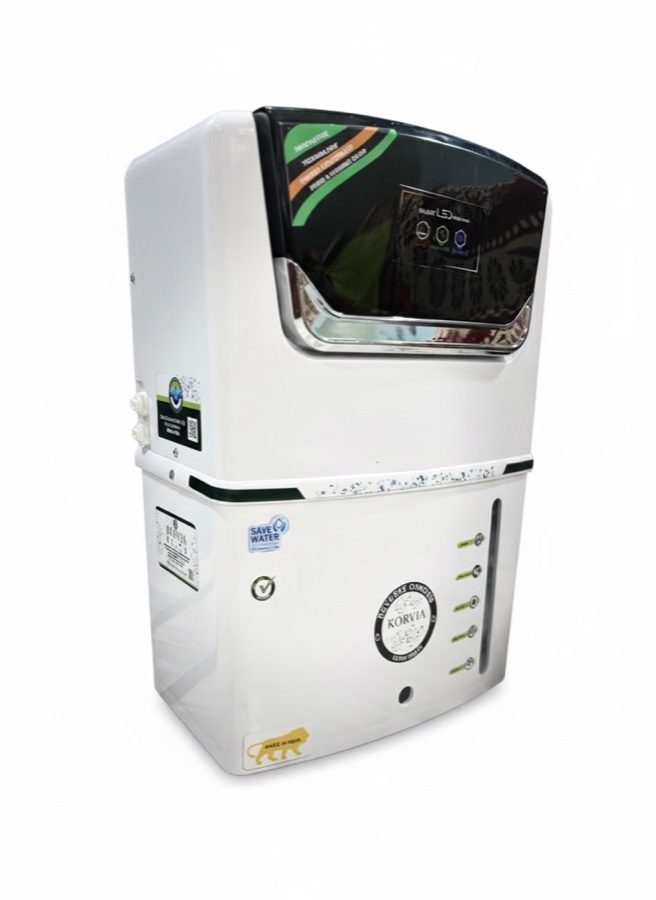 Korvia Pro Plus
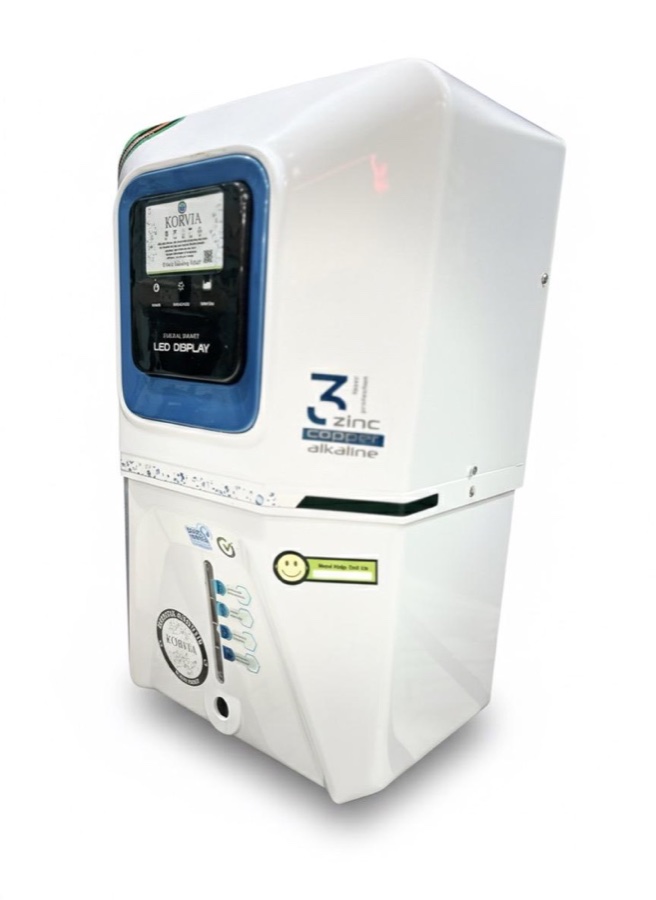 Korvia Pro
Best price on call
Genuine Korvia filters
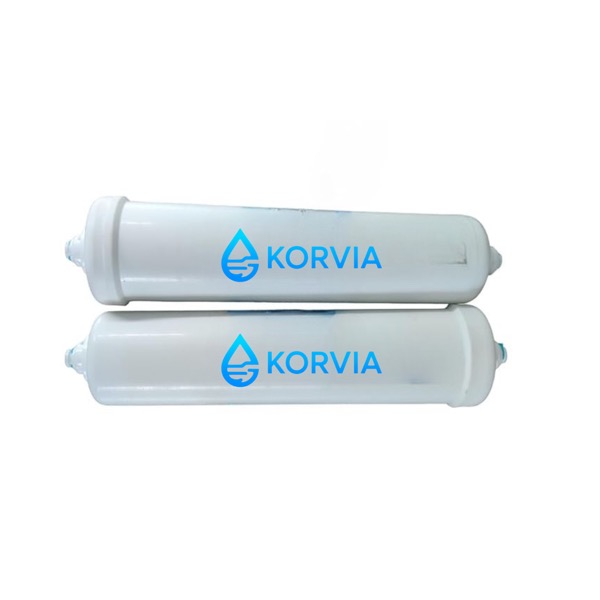
Stage 1
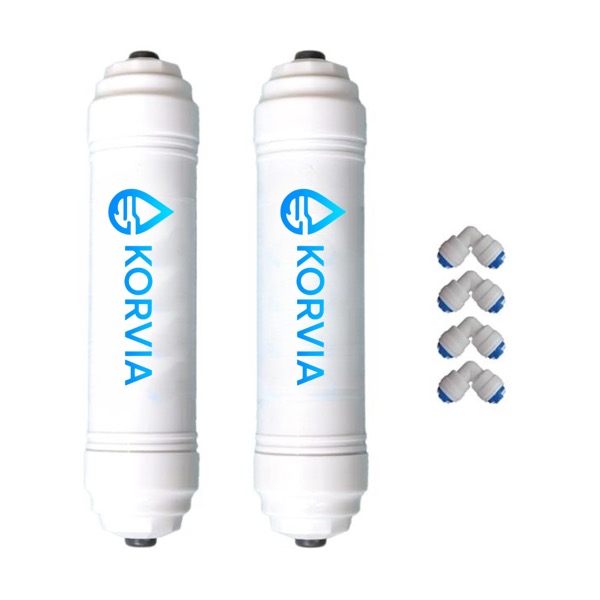
Stage 2
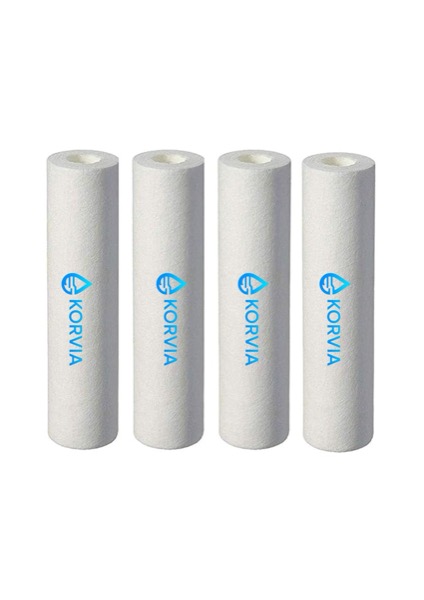
Pre-filter
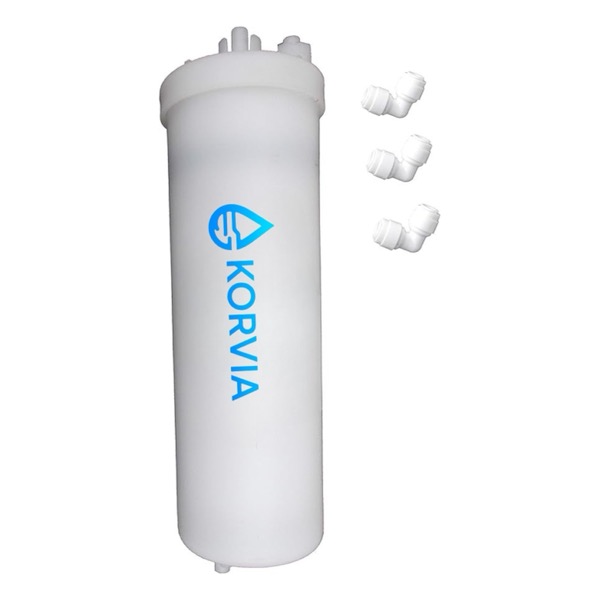
Stage 3
Keeps minerals