
Korvia filter · Stage 3
RO Membrane Filter
Membrane filters are thin, semi-permeable barriers with microscopic pores. Only particles smaller than the pore size pass through, giving precise and reliable filtration.
- Stage 3 of RO
- 0.0001 µm pores
- Removes dissolved salts
₹2,650 MRP · best price on call
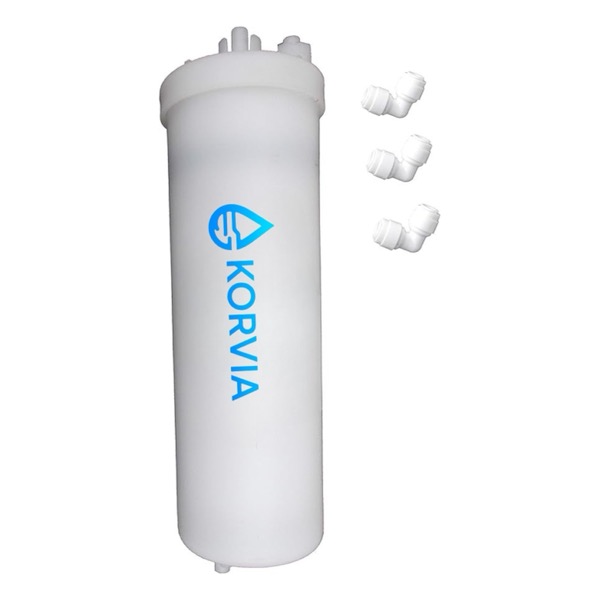
How membrane filtration works
Pressure pushes unfiltered water (the feed stream) through the membrane:
- Permeate is the clean water that passes through.
- Retentate is the larger particles and contaminants the membrane blocks.
Unlike depth filters, membrane filters give absolute filtration: every particle larger than the pore size is removed.
Key advantages
- High efficiency: filters down to the molecular level
- Selective: removes specific contaminants by size
- Chemical-free: little or no need for chemical additives
- Consistent quality: reliable, high-purity output
- Space-saving: compact systems for small spaces
- Eco-friendly: reduces waste
Types of membrane filters
Membrane filters are grouped by pore size and what they remove. Korvia uses reverse osmosis (RO), the finest of the four.
| Filter type | Pore size (µm) | Removes |
|---|---|---|
| Microfiltration (MF) | 0.1 – 10 | Bacteria, suspended solids, algae, silt |
| Ultrafiltration (UF) | 0.001 – 0.1 | Viruses, proteins, colloids, oils |
| Nanofiltration (NF) | 0.0001 – 0.001 | Multivalent ions (e.g. Ca²⁺, Mg²⁺), organics |
| Reverse osmosis (RO) | 0.00001 – 0.0001 | Nearly all dissolved salts and solids |
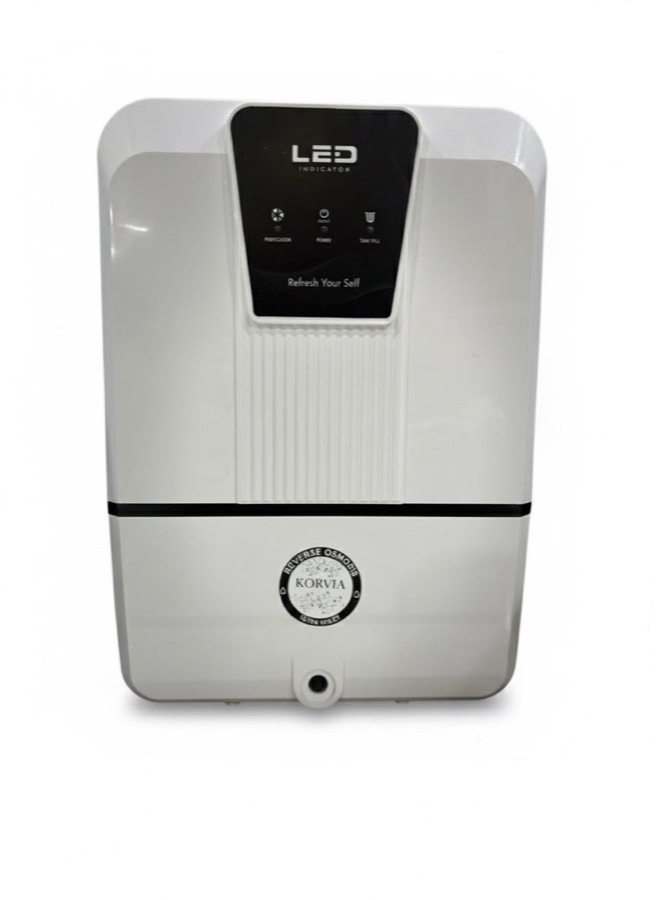 Korvia Premium
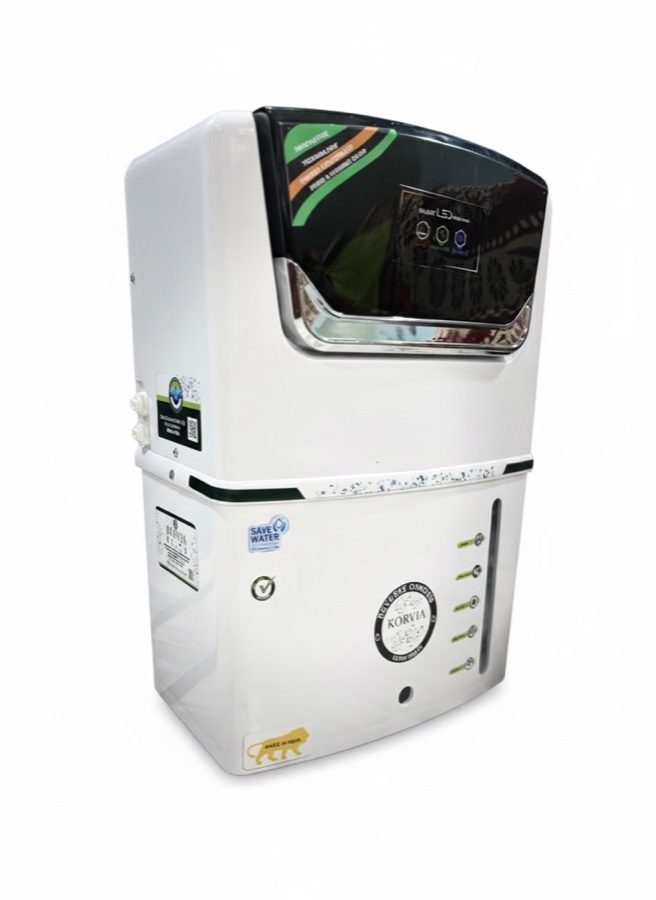 Korvia Pro Plus
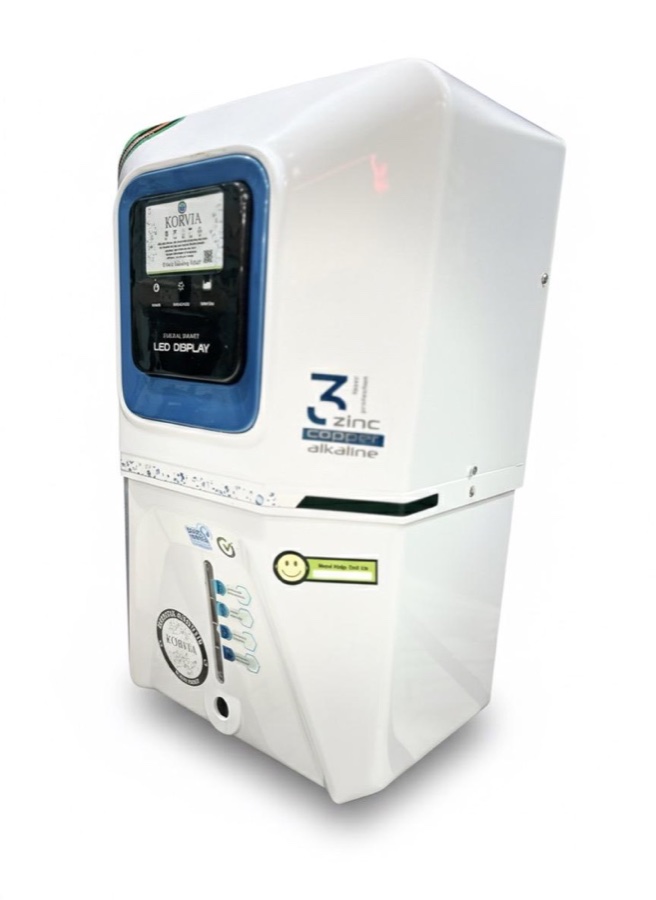 Korvia Pro
Best price on call
Genuine Korvia filters
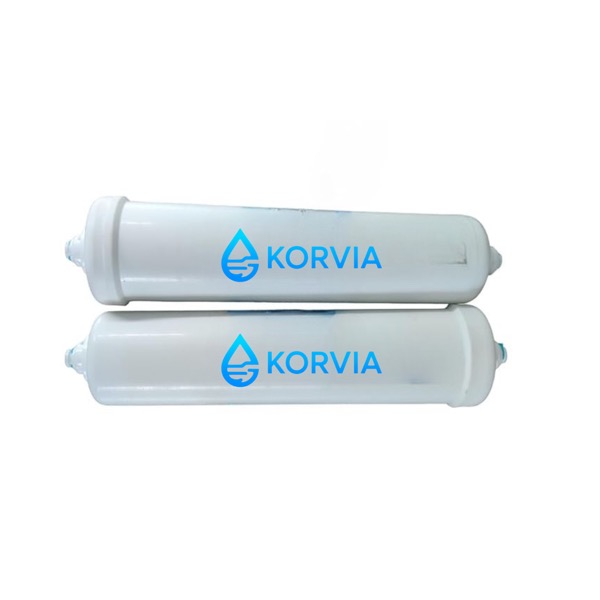
Stage 1
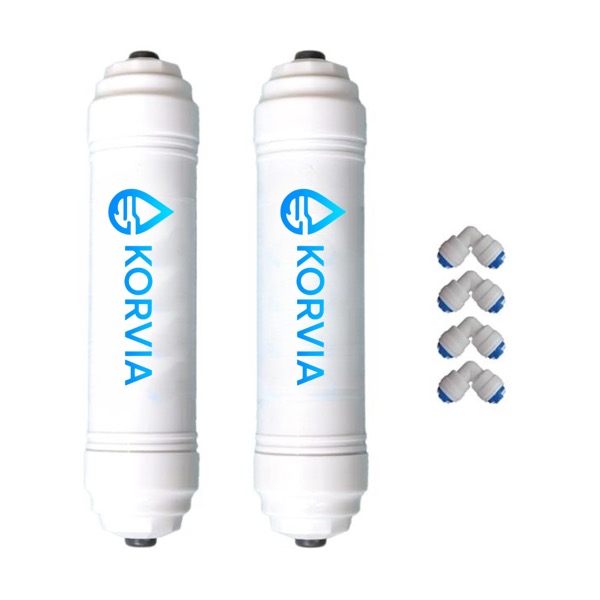
Stage 2
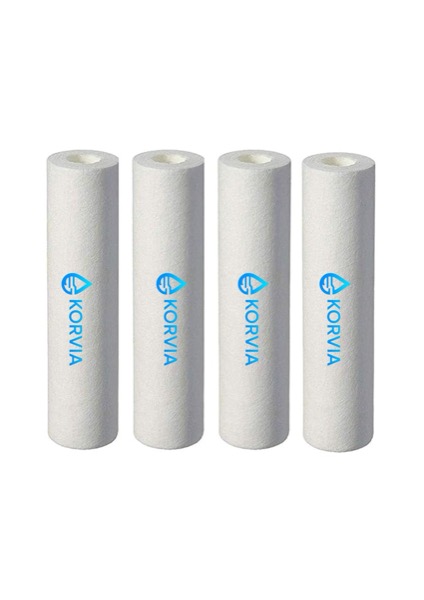
Pre-filter
Stage 3
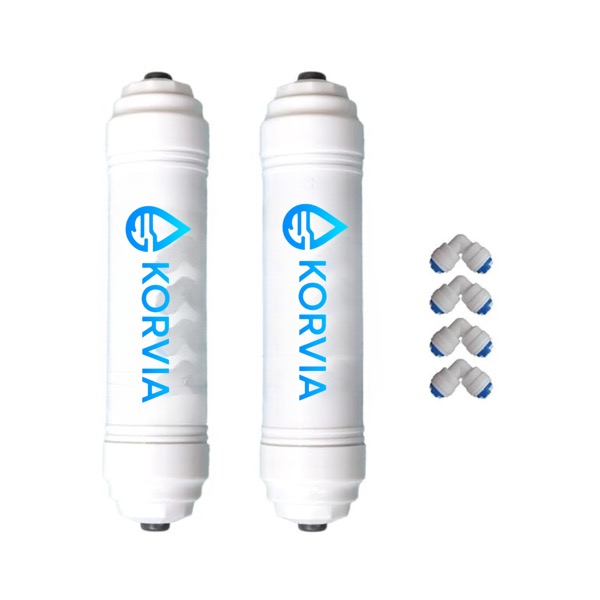
Keeps minerals